
Outdoor access
The Boise River, Greenbelt, foothills, parks, trails, and nearby recreation make it easier to build outdoor time into an ordinary week.
A clear, local guide to choosing a community, buying from out of state, and planning a confident move to the Treasure Valley.
Start with the life you want to live; then choose the location and home that support it.
The appeal is not one single feature. It is the way city life, open space, and several distinct communities sit within one connected region.
The Boise River, Greenbelt, foothills, parks, trails, and nearby recreation make it easier to build outdoor time into an ordinary week.
Downtown Boise brings restaurants, arts, events, workplaces, and civic institutions together in a compact center.
Buyers can compare historic neighborhoods, established suburbs, newer master-planned communities, and growing smaller cities across the metro.
Growth has added housing and amenities, while also making commute routes, future development, and infrastructure important parts of a purchase decision.
The best location is the one that fits your regular Tuesday, not just your vacation-day impression.
Write down your likely work location, acceptable drive time, preferred home age, outdoor habits, and the three errands you make most often. Those details will narrow the map faster than a generic "best neighborhood" list.
These two cities anchor many relocation searches, but their housing patterns and daily rhythms can feel quite different.
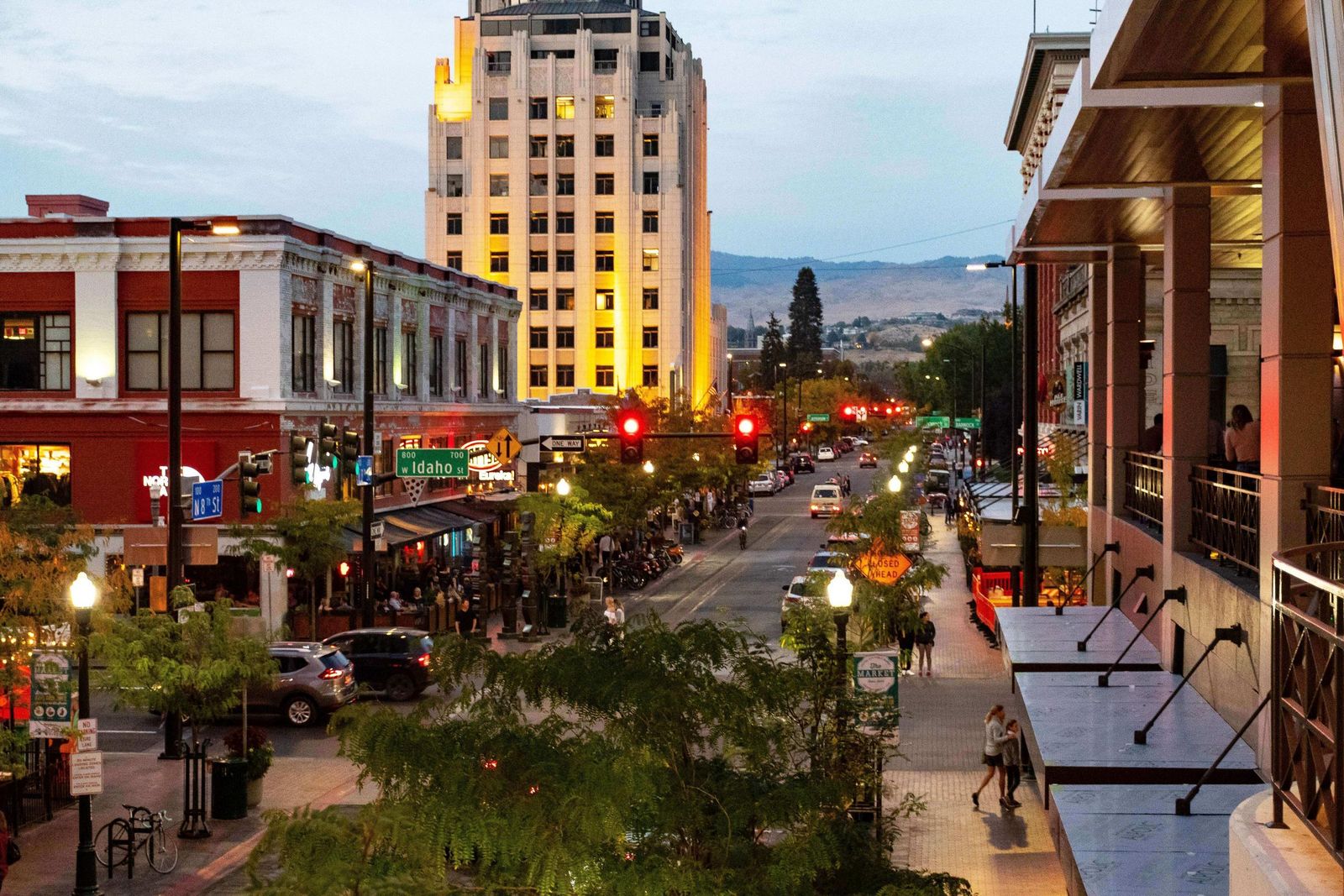
Boise includes the downtown core, river corridor, foothill-adjacent areas, established neighborhoods, and newer pockets. Housing can vary significantly by location, age, lot, and architecture.
Known for historic character, mature streetscapes, older homes, and proximity to downtown and foothill recreation. Buyers should look closely at renovation history, parking, storage, and older-home systems.
An elevated, centrally located part of Boise with a broad mix of home eras and styles. Block-by-block visits help buyers assess traffic, airport proximity, commercial corridors, and housing condition.
Meridian is centrally positioned in the Treasure Valley and includes established subdivisions alongside substantial newer development. Many searches focus on newer floor plans, community amenities, and access to shopping and services.
A mailing address or city name does not tell the whole story. Verify the exact jurisdiction, school boundary, utility providers, and tax details for any property.
Looking beyond Boise and Meridian can open different combinations of home style, lot size, new construction, amenities, and commute.
Generally associated with an upscale housing mix, established and newer neighborhoods, a distinct downtown area, and access to the river and foothill side of the valley. Compare lot, finish level, HOA structure, and drive routes.
A growing community northwest of Meridian and west of Eagle, with newer neighborhoods and a smaller-town core. Consider distance to work and services, road projects, and development planned around a specific property.
A growing community south of Meridian with considerable newer construction and a smaller-city setting. Buyers should study commute patterns, planned growth, nearby services, and the pace of infrastructure expansion.
Compare the exact property, not just the city label. Review commute routes, utility providers, homeowners association obligations, nearby land use, and planned development around each address.
These growing cities broaden the search with established neighborhoods, newer communities, and generally more value-oriented housing choices.
A larger Canyon County city with established neighborhoods, newer subdivisions, shopping, employment, and a historic center. It often provides more value-oriented options than the eastern side of the metro, with a longer commute for some Boise-area destinations.
A growing Canyon County city with an agricultural heritage, an established downtown, and a mix of older and newer housing. It is commonly considered for value-oriented searches; weigh commute, property condition, services, and future development.
Choose with your own evidence. For schools, use the Idaho Report Card and confirm boundaries with the district. For crime, review current data from the responsible city police department, county sheriff, or another official public source. Your agent can point you to sources, but should not choose a neighborhood for you.
The Boise area puts the river, foothills, and four-season mountain recreation close to home, a defining advantage for buyers who want time outside without planning every outing as a trip.
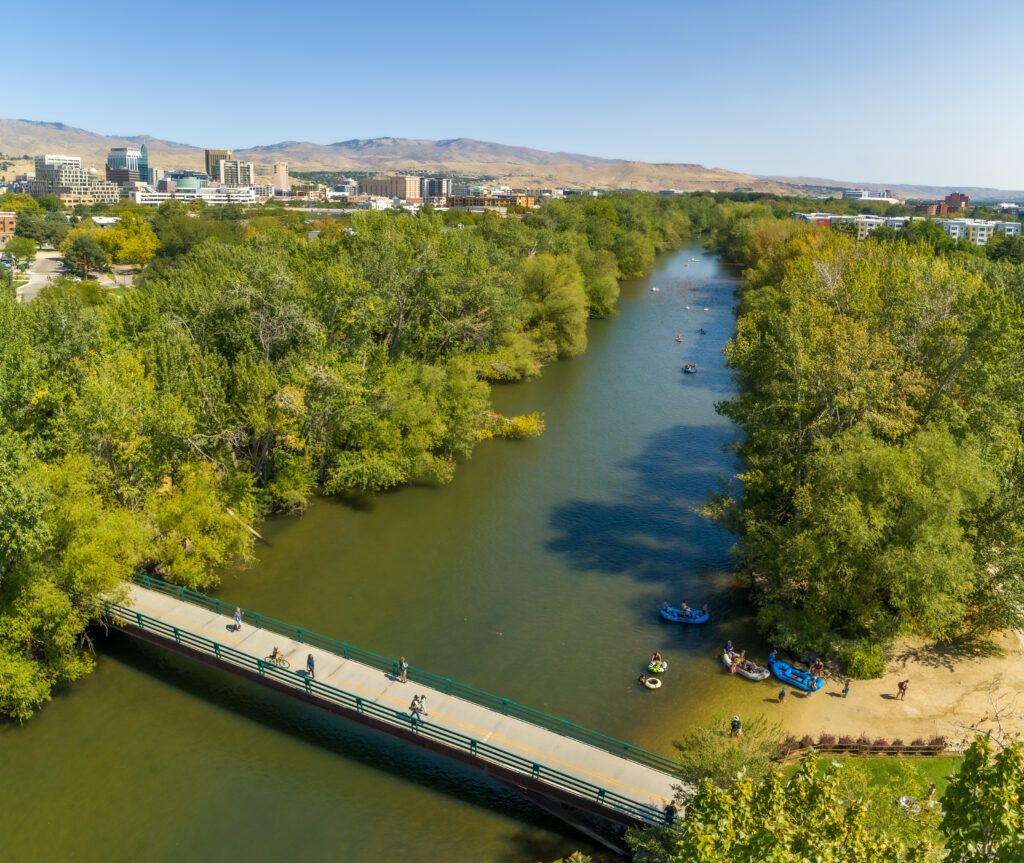
The long, multi-use pathway follows the river through the city and connects riverside parks. It is widely used for biking, walking, running, and everyday access to green space.
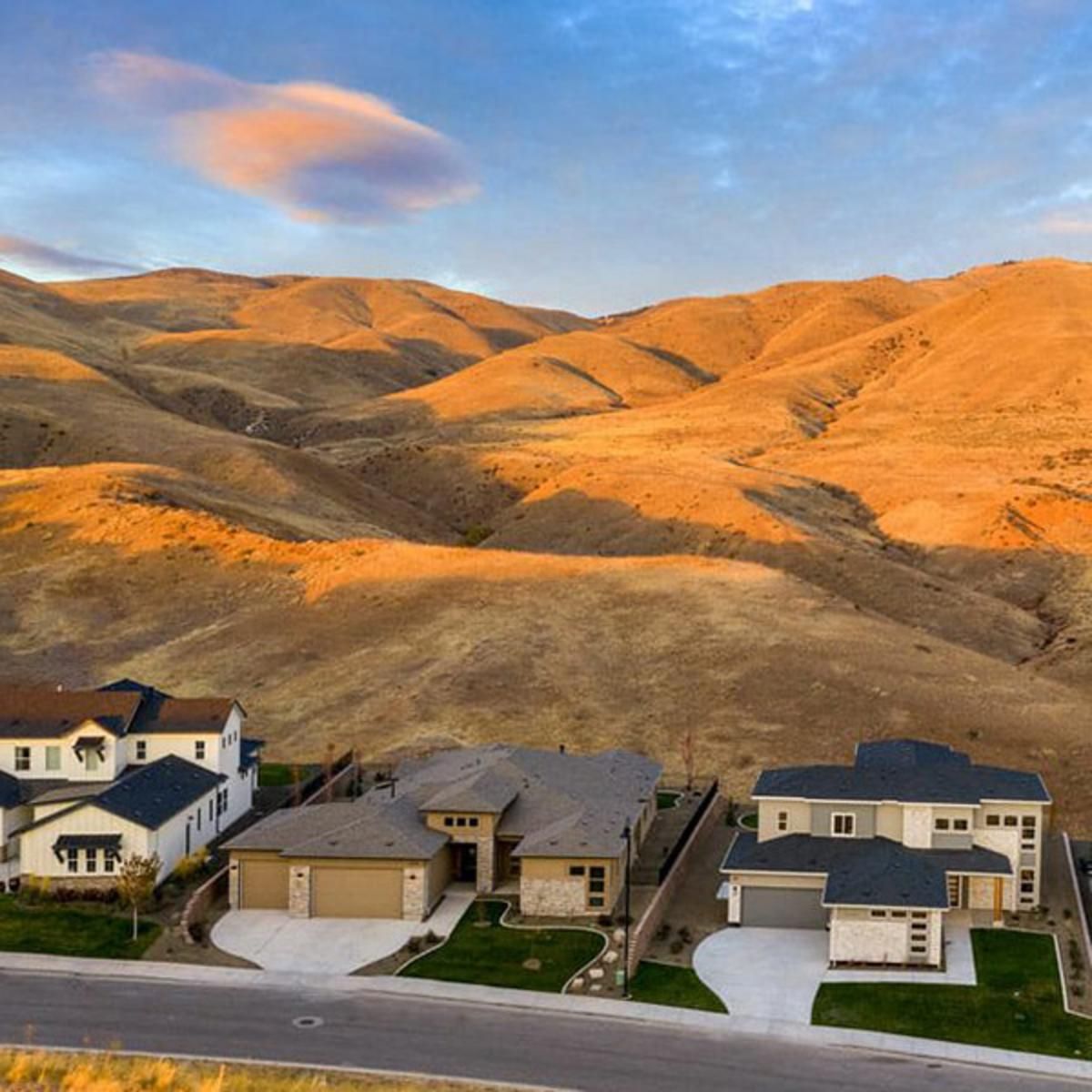
Trailheads along the northern edge of Boise lead into a broad network for hiking, trail running, and mountain biking. Access, surface conditions, and permitted uses vary by trail.
The local mountain recreation area is a short drive from downtown Boise, with skiing and snow riding in winter, plus mountain biking, hiking, and scenic chairlift experiences in summer. Operations are seasonal and weather-dependent.
Wine country, minor-league games, and Boise State athletics give residents several ways to build local traditions into weekends and evenings.
West of the core metro, the Sunnyslope area brings vineyards, wineries, tasting rooms, and rural scenery into the larger Treasure Valley experience. Confirm hours, reservations, and transportation plans directly with each venue.
The Boise Hawks bring baseball to the valley, while the Idaho Steelheads offer professional minor-league hockey. Boise State University adds a full college-athletics calendar, led by football on the famous blue turf at Albertsons Stadium.
Try the rhythm before choosing a location. Spend part of a scouting visit doing the activities you expect to repeat, an evening game, a Greenbelt ride, or a drive to wine country, then compare the route home.
The county line is a useful first filter, not a verdict. Each side of the valley contains multiple cities, property types, and micro-markets that still need address-level comparison.
Ada County is the more built-out side of the valley and is generally higher-priced. It contains the region's largest employment and service concentrations, established neighborhoods, infill, and newer development.
Canyon County is generally more affordable and includes more new construction in several growth areas, while retaining strong agricultural roots and rural edges.
Compare properties, not labels. General county patterns do not predict the condition, price, tax details, insurance, school assignment, services, commute, or future surroundings of a specific home. Verify each factor for the exact address.
Use your own priorities and official sources when evaluating schools, crime, services, and neighborhood fit.
Strong job growth has helped draw newcomers to the Treasure Valley. The regional economy spans technology, food and agriculture, utilities, retail, healthcare, government, education, and a growing network of smaller employers.
Micron Technology and HP maintain major operations in the valley, supporting a wider network of technical, manufacturing, engineering, and professional roles. Meta recently opened its $1.2 billion data center in Kuna, its first in Idaho.
St. Luke's Health System and Saint Alphonsus are major regional employers across clinical, administrative, technical, and support work.
Albertsons is headquartered in Boise, and the J.R. Simplot Company has deep local roots. Their presence connects the region to retail, food production, agribusiness, logistics, and corporate functions. Amazon is a major local employer, with large fulfillment operations in Nampa.
Idaho Power is another significant local employer, alongside public agencies, schools, universities, construction firms, and service businesses.
Turn a job offer into a housing search. Confirm the actual work site, in-office expectations, shift hours, travel requirements, and likely commute before choosing a community. A company name alone does not identify where or when someone will work.
Regional employment context: Boise Valley Economic Partnership workforce and demographics overview.
Distance adds uncertainty. A documented process turns that uncertainty into specific questions, inspections, and decision points.
Set your comfortable purchase range with a lender, identify non-negotiables, rank preferred communities, and agree on what would make you walk away.
Ask for a live video walkthrough rather than a highlight reel. See the approach, street, neighboring properties, views, natural light, storage, mechanical systems, and any visible wear. Request a second pass when something is unclear.
Discuss inspection strategy, disclosures, title, insurance, appraisal, financing, HOA documents, and new-construction details with the appropriate professionals before deadlines arrive.
Set a remote-tour standard. Agree in advance on what every video visit should show, how quickly questions will be answered, and which conditions require an in-person look before you decide.
Use your limited time to test the finalists, the commute, and the details that cannot be understood from listing photos.
Drive likely commutes at realistic hours, visit finalist areas by day and evening, tour fewer serious contenders, and leave time for a second look.
Confirm signing, funds, final walkthrough, key delivery, utilities, and the handoff to movers. Ask early what can be completed remotely and what requires your presence.
| Orient | Explore | Contract | Land |
|---|---|---|---|
| Priorities, budget, lender, communities | Remote tours, scouting trip, shortlist | Offer terms, inspection, title, loan | Closing, utilities, keys, moving day |
Timing varies with financing, property type, seller terms, inspections, construction status, and your own move. Treat any timeline as a planning framework, not a promise.
Clarify what is included, upgrade pricing, deposit terms, completion flexibility, warranty coverage, landscaping, fencing, internet availability, HOA obligations, and how future phases may affect the immediate area.
Neither route is automatically safer or smarter. The right choice depends on how certain you are about location, work, timing, and the kind of home you need.
May fit when:
Trade-offs:
May fit when:
Trade-offs:
A useful decision test. If you can explain why a specific area works for your commute, budget, home needs, and weekly routine, and you have verified the property itself, buying may be reasonable. If your answer is mostly "we like Boise," renting can buy valuable local knowledge.
Work backward from arrival and keep one shared list for documents, service confirmations, contact names, and deadlines.
Idaho records to check after arrival. Review current Idaho requirements for a driver's license or identification card, vehicle title and registration, and voter registration. Required documents, deadlines, locations, and online options can change. Use the Idaho Transportation Department, your county offices, and the Idaho Secretary of State as the source of truth.
Include identification, proof of Idaho residence, purchase or lease documents, vehicle title and lien information, insurance, school or medical records, pet records, and confirmation numbers. Do not pack originals in the moving truck. Our Treasure Valley Moving Guide covers the full playbook.
Utilities are address-specific. Do not assume a provider based only on the city name. Ask for recent service information from the seller or property manager and verify directly with each provider.
A long-distance buyer needs more than listing access. The value is local observation, a repeatable communication process, and careful coordination.
Compare commute routes, housing patterns, new-construction activity, amenities, and property-specific considerations without labeling any community as universally "best."
Help line up inspections, access, builder meetings, final walkthroughs, and local contacts while keeping deadlines visible.
Provide live walkthroughs, street and surroundings views, follow-up video, and candid observations about what the listing photos do not show.
Organize comparable options, explain trade-offs, and connect you with licensed lenders, inspectors, attorneys, tax professionals, or other specialists when their expertise is needed.
A good relocation agent does not make the choice for you. They make sure you can make the choice with better information.
Team Owens Realty. Our goal is to help you understand the Boise-area choices, ask sharper questions, and move forward at a pace that fits your situation.
Tell us what you need your next home and community to make easier. We will help you compare the options and build a practical path from first conversation to moving day.
Contact Team Owens Realty. Phone: (208) 614-3334. Email: teamowensrealtyidaho@gmail.com. Website: teamowensrealty.com. Brokerage: Powered by Silvercreek Realty Group.
Bring us your questions, even if you are still deciding whether Boise is right for you.
Requirements, boundaries, services, and local conditions change. Verify details that affect a decision with the responsible official source.
Photo sources in the printed guide: cover panorama, Visit Boise. Boise River and Nampa Depot: Wikimedia Commons-hosted images.
Download the full relocation guide (PDF, 16 pages)
Important. This guide provides general information only and is not legal, tax, or financial advice. Real estate conditions, contracts, financing, taxes, insurance, school boundaries, public data, and government requirements can change. Consult the appropriate licensed or official professional for advice about your situation.
Fair housing matters. Team Owens Realty provides objective property and community information and encourages every buyer to use their own priorities and official sources when evaluating schools, crime, services, and neighborhood fit.
No pressure, no pitch. Just a conversation about where you are, where you want to be, and the straightest path between the two.